| Category | Tomes |
| Type | books |
| Author | many Lith-Crillion authors |
| Location | Nuciregmas |
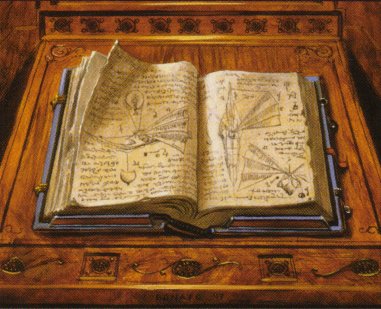
The Libram of Aggda is an ancient text that provides insight into the perspectives of the Lith-Crillion people and the history of a military research complex known as Aggda. The book was contributed to by various authors and reads more like a collection of concise reports than a unified work. Additionally, the text contains hidden pages that can only be viewed under specific stellar conditions. These concealed pages include recipes for crafting magical items and schematics for weapons. Some speculate that the Soul Storage Depot was established after Tome accessed one of the legendary tome's secret pages.
During the day, the Libram of Aggda is housed within Nuciregmas. At nightfall, it is transported to a secure, starlit area where its pages are meticulously examined, in hopes that another revelation may be discovered. This remarkable tome revolutionized ranged armaments and pioneered the practice of soul storage for cloning, unlocking countless realms of intriguing scholarly inquiry. Its influence shall persist until the final page has unveiled itself under the celestial radiance.
Tome, Syndic of the Council of Nine - "The Confidential Writings"
The Libram of Aggda provides some historical insights into the Web of Magic and the vanquishing of a primordial entity known as Sarseg. The tome also chronicles the devastating incursions conducted by the Saer Erkjorg. One of the final passages in the book states:
The attacks grow ever more formidable, and we have received reports of the demise of our kin at locations within proximity. The eldritch giants are compelled by the arcane power and wisdom we possess. Discussions of abandoning this isle abound, but will these deliberations come to fruition before we too succumb?
from the Libram of Aggda
Another chapter explores the origins of the Web Weaver at Nemexus. Written by Lith-Crillion, it makes no reference to the conflict that led to this knowledge, the compelled abandonment of Tarband-Khâl, or the long-term repercussion - the emergence of the Mîmêk race.